Why did some kratom shipments use a fertilizer tariff heading while most used a botanical classification?
Most people assume customs classifications simply describe a product.
In reality, every imported product is assigned a Harmonized System (HS) or Harmonized Tariff Schedule (HTS) classification that helps customs authorities identify merchandise, determine tariff treatment, and compile trade statistics. Assigning the correct classification can be technically complex and depends on the characteristics and declared use of the product.
Among the hundreds of public kratom shipping records examined for this investigation, most used a botanical heading associated with plants used primarily in pharmacy or similar purposes. A smaller number were associated with a heading for animal or vegetable fertilizers. This page explains what those classifications mean and why the differences are noteworthy.

500 public shipping records were reviewed to compile this dataset.
Every internationally traded product receives a customs classification.
That classification helps customs authorities:
HS codes are standardized internationally to six digits. The U.S. Harmonized Tariff Schedule (HTSUS) extends those codes with additional digits for U.S.-specific classifications.

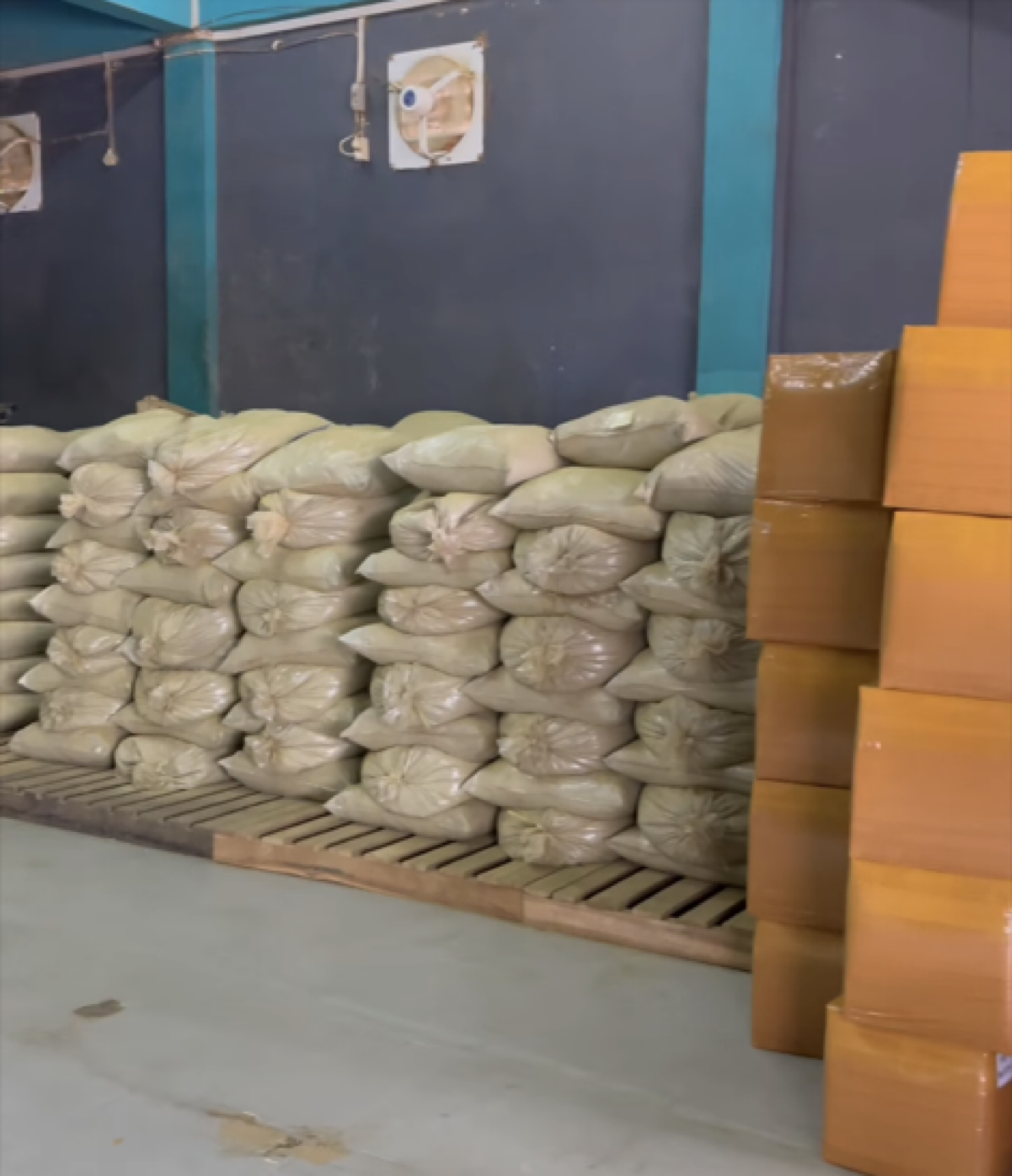
Same botanical name in the public record. Different customs heading.
HS / HTS 1211.90
Heading 1211 covers plants and plant parts used primarily in perfumery, pharmacy, insecticidal, fungicidal, or similar purposes, whether fresh, dried, cut, crushed, or powdered. Indonesian export regulations also specifically reference kratom under heading 1211.90.
HS 3101.00
Heading 3101 covers animal or vegetable fertilizers, whether or not mixed together or chemically treated; fertilizers produced by the mixing or chemical treatment of animal or vegetable products.
Four curated shipment records in the dataset were classified under HS 310100 (animal or vegetable fertilizers), representing 178.2 metric tons of cargo. All four were associated with a single U.S. importer, South Asia Trade, and originated from two suppliers: Zyam Trade 168 (three shipments) and PT Sahabat Sukses Kalimantan Barat (one shipment). An additional curated record contained both HS 121190 and HS 310100 classifications, indicating a mixed coding in the available trade data.
The curated dataset shows:
This investigation does not speculate beyond the data. The records show the classifications that were used; they do not explain why.
The presence of different classifications raises questions such as:
Public shipping records alone cannot answer those questions.
Shipping records do not establish:
Tariff classification and FDA admissibility are related but distinct concepts. A tariff heading does not, by itself, determine whether a product is a dietary supplement, food, fertilizer, or lawful to import. FDA evaluates products under its own statutory authorities, while CBP administers customs classification and tariff collection.
For context, see our guide to FDA Import Alert 54-15.
These questions are not accusations. They are reasonable inquiries based on observed variations in public records.
One of the 3101.00 shipments provides a concrete example. The following is reconstructed from public shipping records.
No conclusions are drawn from a single case. It is presented as an example of the type of discrepancy that appears in the public record.
| Question | HS 1211.90 | HS 3101.00 |
|---|---|---|
| General description | Plants/plant parts used primarily in perfumery, pharmacy, insecticidal, fungicidal, or similar purposes | Animal or vegetable fertilizers |
| Appeared in workbook | Yes | Yes |
| Most common in dataset | Yes | No (4 records) |
| Automatically determines intended use? | No | No |
| Automatically determines FDA status? | No | No |
The public records show the classifications used. They do not establish whether those classifications were accurate, accepted, or challenged.
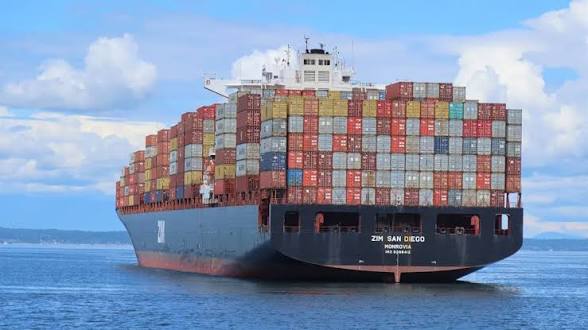
Customs classifications are more than administrative codes. They provide another piece of the documentary record surrounding imported kratom.
In this investigation, most public records used one botanical classification, while a smaller number used a fertilizer heading. Public records identify the difference. Understanding why those differences occurred would require additional customs documentation beyond the bills of lading examined here.