Evidence related to pediatric exposure, adolescent use, retail accessibility, poison‑center reports, and youth‑oriented normalization of kratom products.
| Year | <5 yrs | 6–12 yrs | 13–19 yrs | Total Peds |
|---|---|---|---|---|
| 2019 | 60 | 3 | 39 | 102 |
| 2020 | 63 | 5 | 35 | 103 |
| 2021 | 91 | 5 | 43 | 139 |
| 2022 | 67 | 3 | 37 | 107 |
| 2023 | 71 | 3 | 32 | 106 |
| 2024 | 107 | 6 | 37 | 150 |
Children under five represent the largest pediatric exposure group each year. 2024 saw a record 107 cases in this age group. Source: America's Poison Centers NPDS Annual Reports.
Adolescent exposures have resulted in:
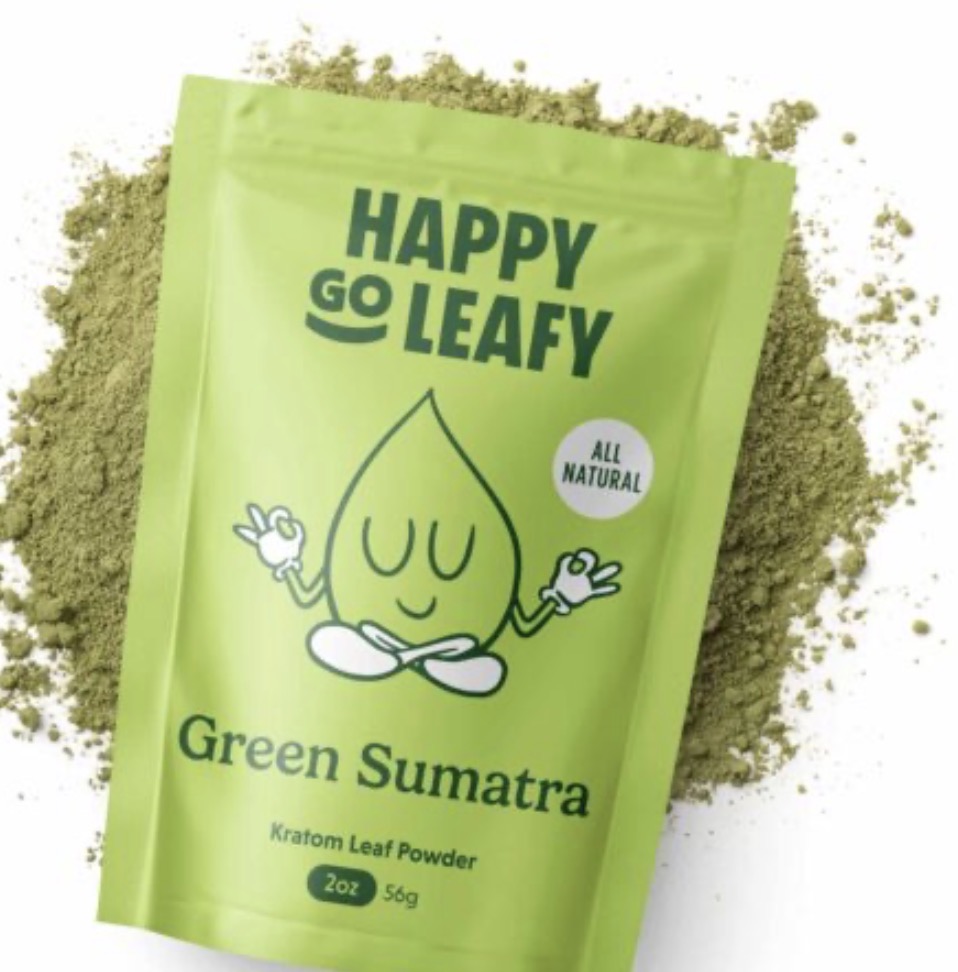
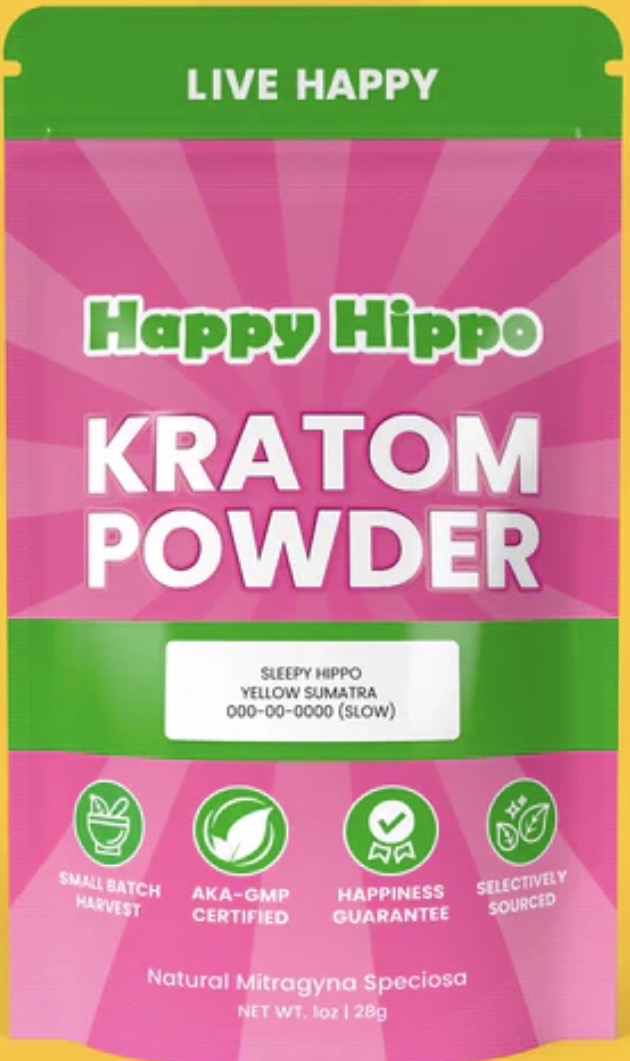
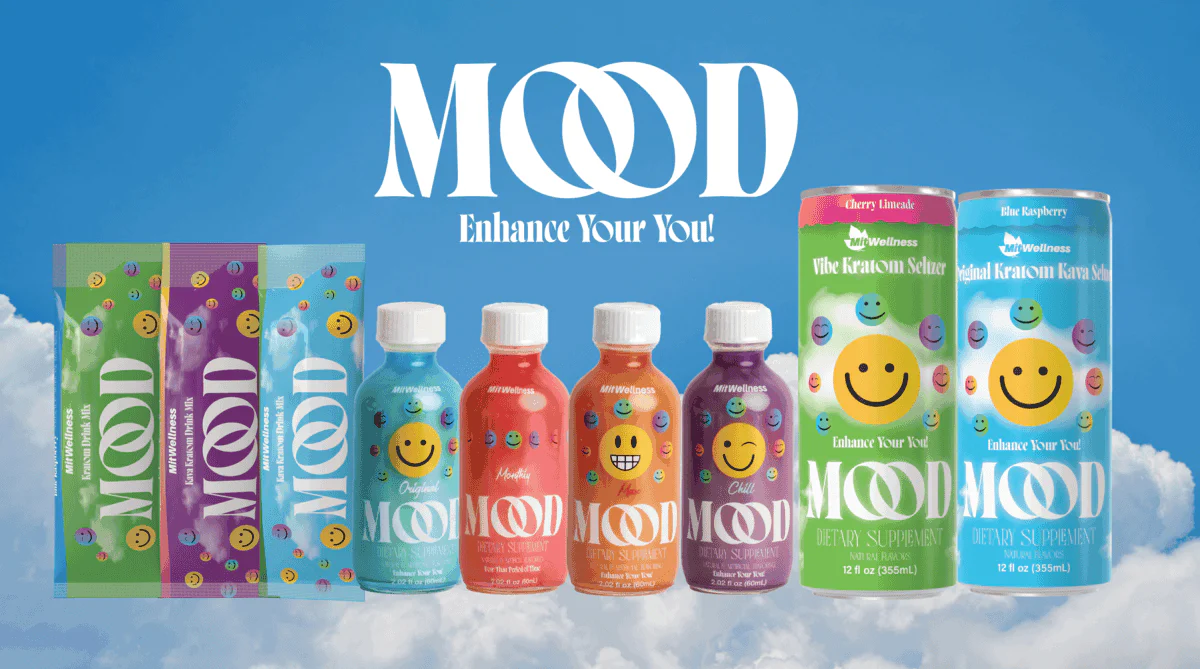
Kratom is sold in gas stations, convenience stores, smoke shops, and online – often without age verification. Flavored shots, gummies, capsules, and powders are displayed alongside candy, energy drinks, and other products appealing to younger demographics.



Kratom is promoted on social media using language that may resonate with younger audiences: “natural energy,” “focus,” “wellness,” “mood support.” Posts often lack age restrictions, and user testimonials normalize regular consumption.
7.6% of exposures were in adolescents (13‑19 years). 84.7% of adolescent exposures were among 17‑19 year‑olds. Common effects: agitation, tachycardia, seizures.
Read Study →Estimated 1.7 million Americans aged ≥12 used kratom; prevalence among younger adults is significant. Youth exposure often occurs through peers and retail accessibility.
Read Study →45 capsules (22.5g) ingested – tachycardia, miosis, tremors, hypokalemia, QTc 474 ms. Highlights severe outcomes in youth.
Read Case →Stimulant‑like effects can induce psychosis, paranoia, and hallucinations – risks heightened in developing brains.
Read Report →Extreme behavioral dysregulation – illustrates potential for catastrophic outcomes in younger adults when combined with other substances.
Read Case →Naltrexone triggered ICU‑level withdrawal; demonstrates physical dependence that can develop even in young users.
Read Case →Kratom is widely available in retail environments frequented by adolescents and young adults – gas stations, convenience stores, smoke shops, and online. Flavored products, gummies, and brightly branded packaging may increase youth appeal. Social media marketing normalizes kratom use without age restrictions. Poison center data show pediatric exposures are increasing, with children under five representing the largest age group and adolescents representing a significant proportion of intentional exposures. Severe outcomes in youth include respiratory depression, seizures, cardiac conduction abnormalities, withdrawal syndromes, and psychiatric decompensation. Public health messaging and policy interventions should address retail accessibility, product packaging, and social media marketing to reduce youth exposure and normalize age‑restricted sales.